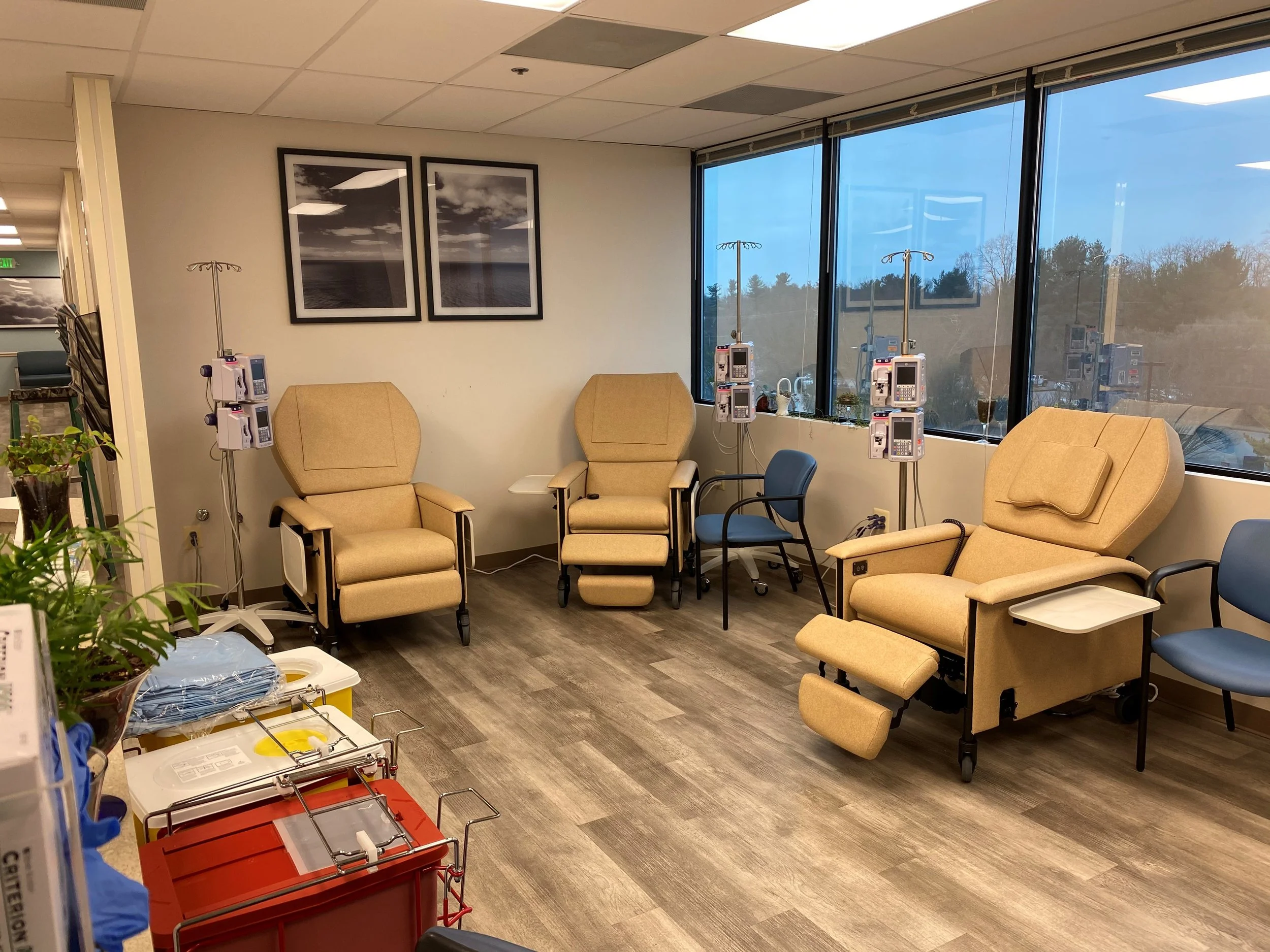
Our Philosophy
The true measure of successful design is revealed over time. How a space functions, wears, and adapts speaks to the care taken in its planning. Thoughtful material selection, paired with clear functional arrangement, plays a critical role in shaping both performance and budget.
A successful project aligns the goals of longevity, safety, compliance, and visual clarity with the realities of each project’s scope and resources. Respecting budget as a guiding framework rather than a limitation, helps ensure that design decisions remain purposeful while preserving the integrity of the original vision.
This approach is informed by practical experience applied to functional results grounded in more than a decade of prior administrative work within an operational ENT medical practice, where design decisions directly affected daily care delivery.
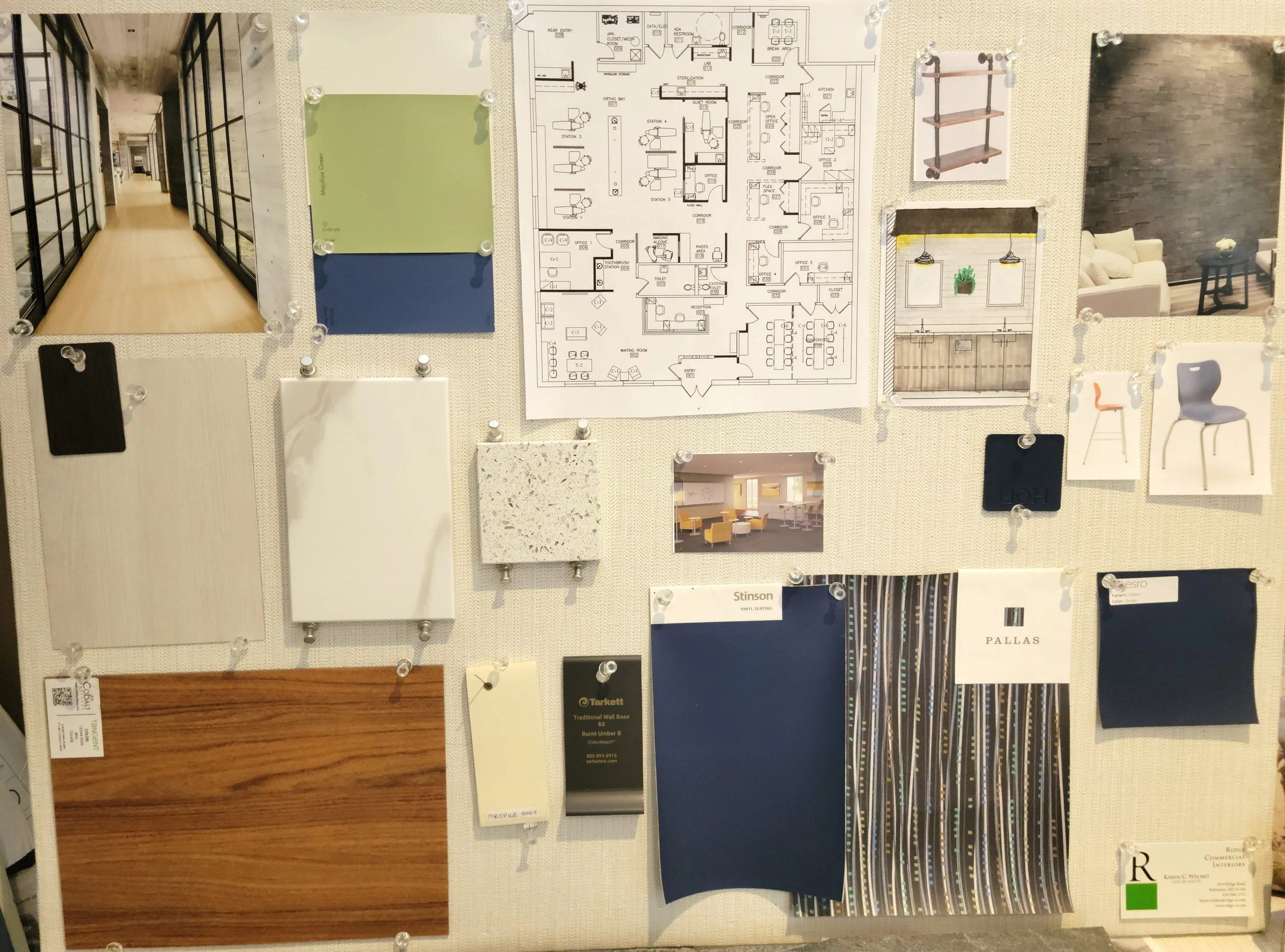
Dream it.
Every successful project begins with a moment of imagining what could be a space shaped not only by function and requirement, but by how it should feel to work in, move through, and care within. This early vision allows priorities to surface, goals to clarify, and possibilities to emerge, forming the foundation for a space that reflects both aspiration and intention before it is translated into plans, materials, and built form.
.
Plan it.
Planning is where vision becomes clarity. Ideas are shaped through thoughtful organization, careful sequencing, and an understanding of how people, processes, and spaces intersect. At this stage, adjacencies are resolved, budgets are respected, and requirements are balanced, allowing the project to move forward with confidence, intention, and a clear sense of direction
Build it.
Building is the quiet execution of what has been thoughtfully considered. Materials, details, and decisions come together with care, guided by an understanding of performance, compliance, and longevity. When design and planning are aligned, the built environment reflects its original intent; resulting in a space that supports care, functions seamlessly, and endures over time.
Live it.
Once a space is in use, its success is measured in the everyday moments it supports how it feels to move through, how intuitively it functions, and how well it serves those who rely on it. Good design is timeless, extending gracefully through the full lifecycle of use, adapting to change without losing clarity or purpose. A well-designed environment fades into the background, allowing care, work, and human connection to take precedence while quietly continuing to perform as intended.